
For the past few years, I’ve been closely following newly published German picture books—reading them and analyzing their unique qualities. Every so often, I encounter a book that brings something entirely fresh to the table, which fills a clear gap in the Iranian picture book market. That’s exactly when I know it’s time to consider translating it into Persian.
To date, I have translated over 40 picture books; many are already published and available in Iran, while others are forthcoming. So far, I have introduced more than 20 German and English authors to Iranian children for the very first time.
Each of the books you see here has unique features and functions that open up new horizons for children—horizons that help them navigate life’s challenges smoothly. These books are not only suitable for children, but they also open up windows for grown-ups.
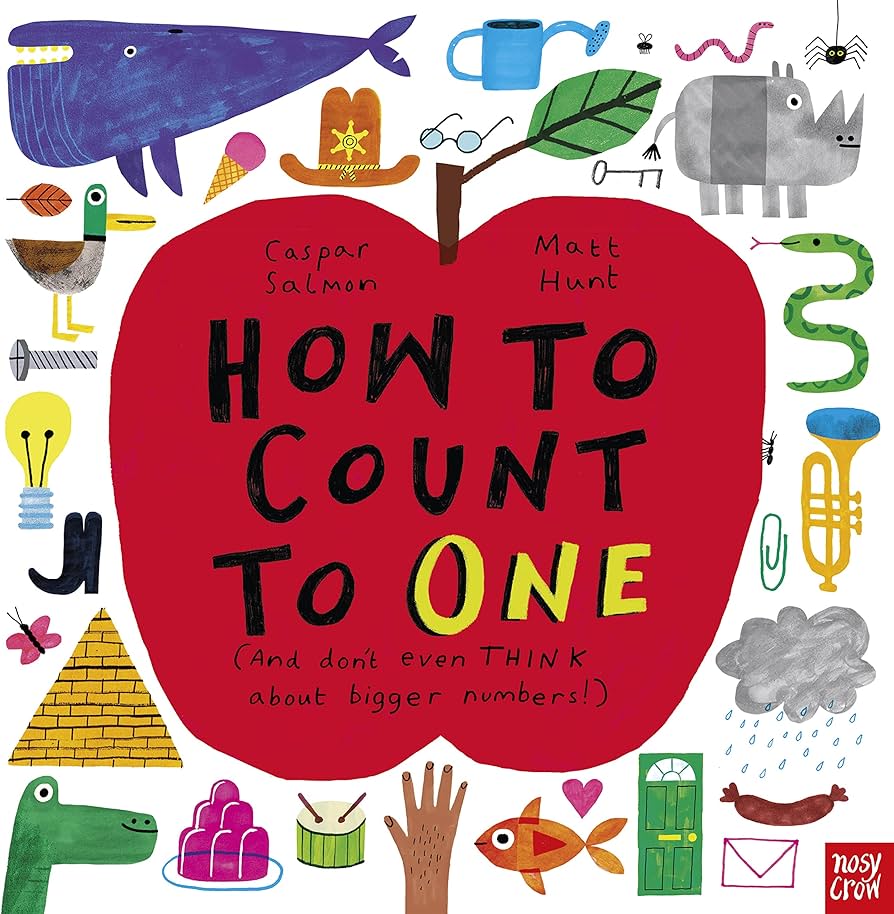
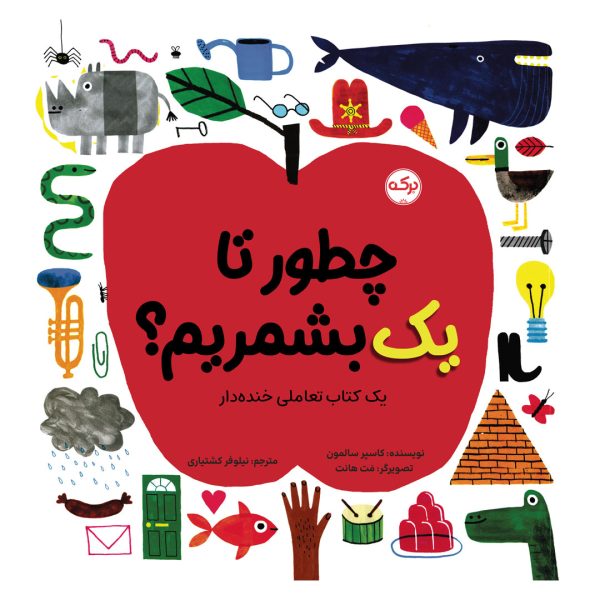
In How to Count to One, Caspar Salmon approaches the concepts of numbers and counting with creative humor and an unconventional twist. Throughout the book, he challenges children to count only to the number ‘one’ on every single page—even when the illustrations are bursting with all sorts of objects. At its heart, this piece is an interactive, humor-driven, language-focused book.
According to researchers in neuropsychology and cognitive neuroscience, humor is a powerful stimulus that significantly impacts brain activity and cognitive function. When a child laughs from the heart, their brain releases dopamine and endorphins—hormones that trigger feelings of joy and pleasure. At the same time, cortisol levels (the stress hormone) drop, bringing a sense of calm. Humor also activates the brain regions responsible for creativity and problem-solving. Ultimately, humor is far more than just entertainment; when used thoughtfully and age-appropriately, it becomes one of the most effective tools for learning.
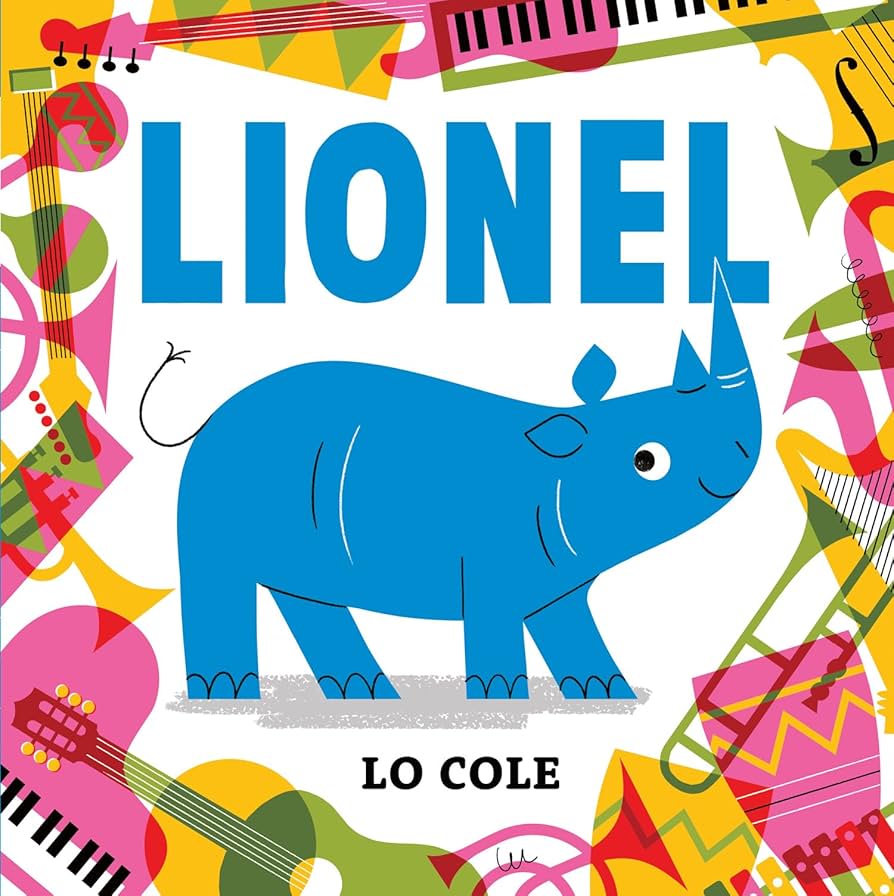
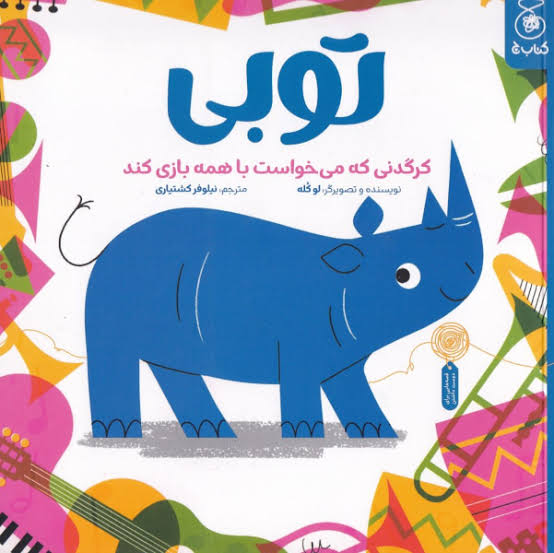
Tobi
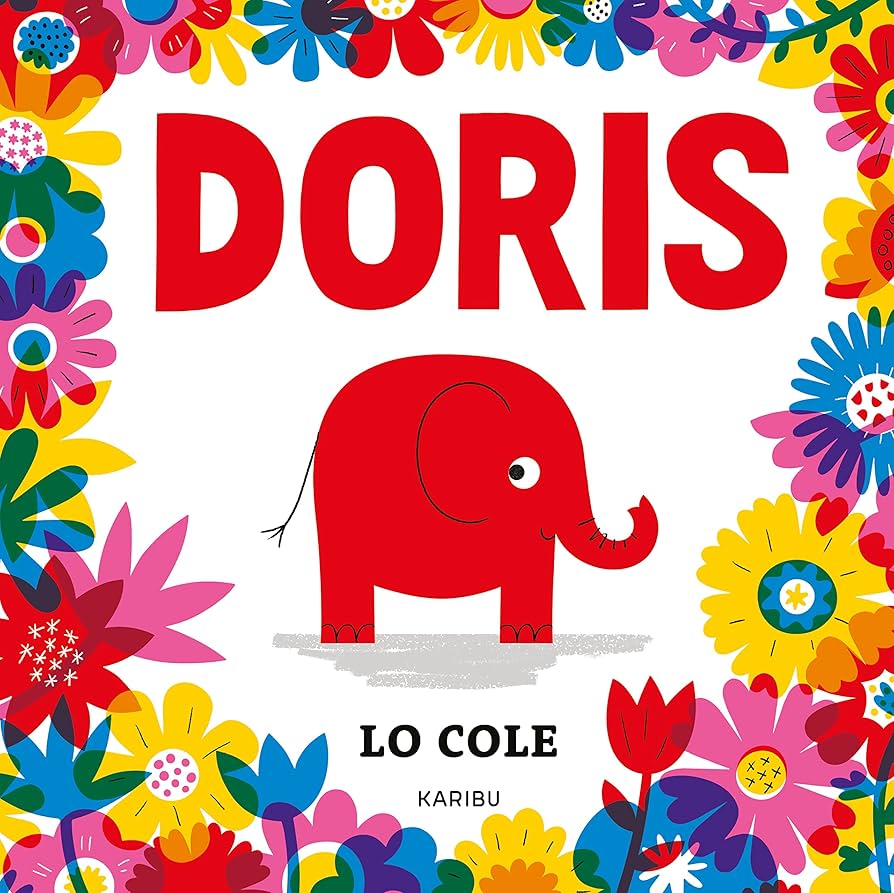
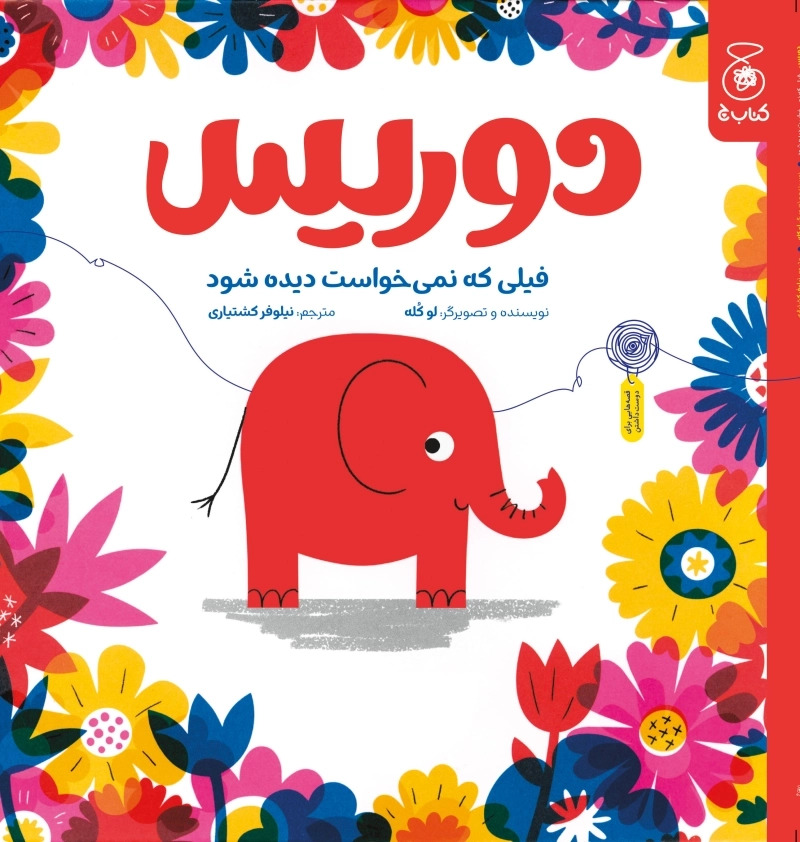
In this story, the author takes young readers by the hand and introduces them to an incredibly shy character—a red elephant named Doris. Throughout the book, the shy elephant does everything she can to hide from others. Whenever she succeeds, she feels a sense of relief, yet each time, it feels as though she is no longer truly herself.
As the story goes, the little elephant always ends up being revealed again for one reason or another. This continuous cycle of hiding and seeking goes on until she comes across a place that is completely red, just like her. As usual, she goes to hide, but this time there is a major twist: she blends so perfectly into the red background that she becomes entirely invisible. Do you this she is happy now?
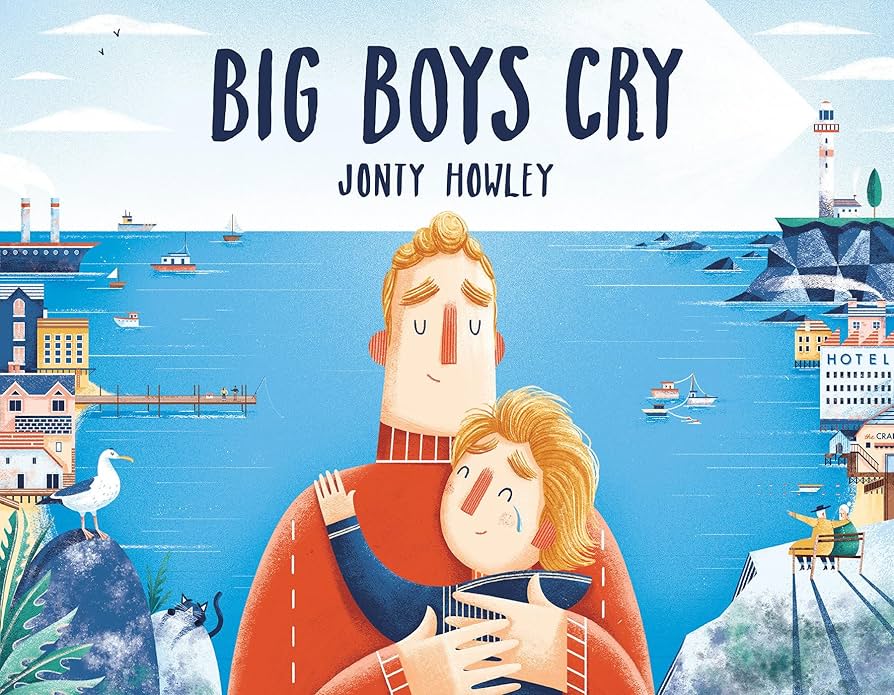
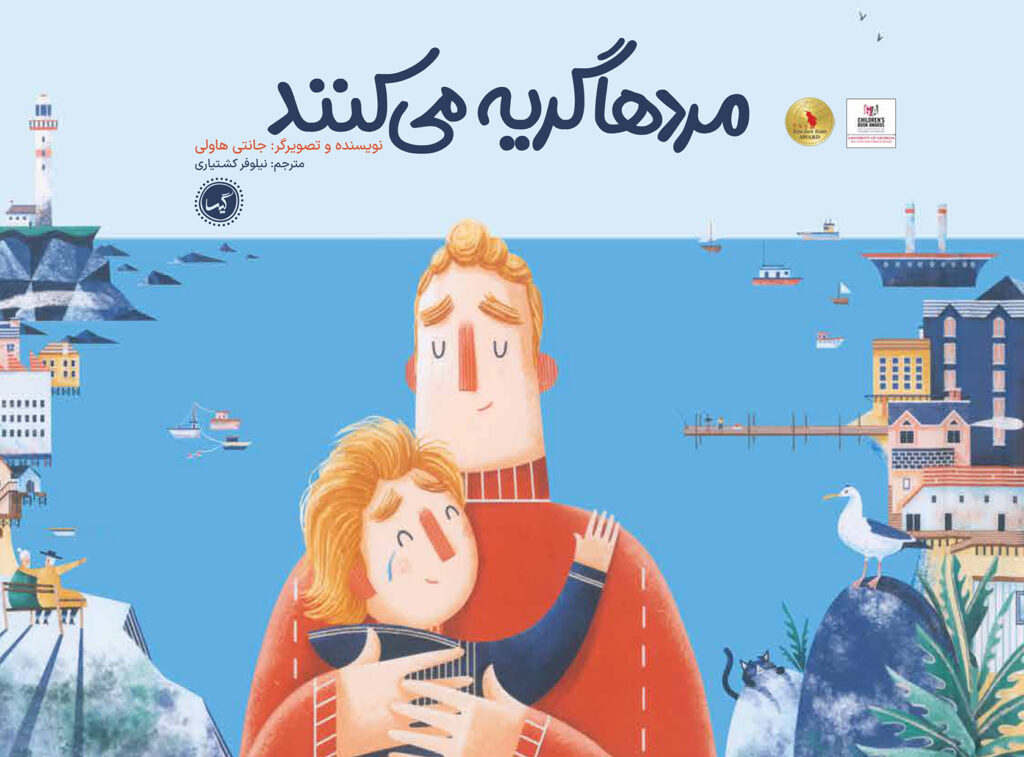
‘Oh, come on now! Men don’t cry. Here, son, take this tissue and wipe away your tears before anyone sees you.’
Who among us hasn’t heard these exact words? Shaming tears and forbidding boys from crying might seem like a universally accepted norm, not just in Iran, but across various cultures around the globe. In this moving tale, the author introduces us to a father and son who are both burdened by anxiety, neither knowing how to break free from it. The father—perhaps believing himself that crying solves nothing and is merely a sign of weakness—tells his son: ‘Men don’t cry.’ Yet, as the story unfolds, we see that this piece of advice does nothing to help the son, nor does it ease the father’s own burden. So, how do we truly overcome life’s anxieties, both big and small?
Today, scientific studies show us that viewing tears as a sign of weakness is both incorrect and damaging. Researchers in the field argue that crying is a perfectly natural, healthy behavior rooted in our biological and social makeup. With eloquent language and beautiful imagery, this book gently tackles this common stereotype.
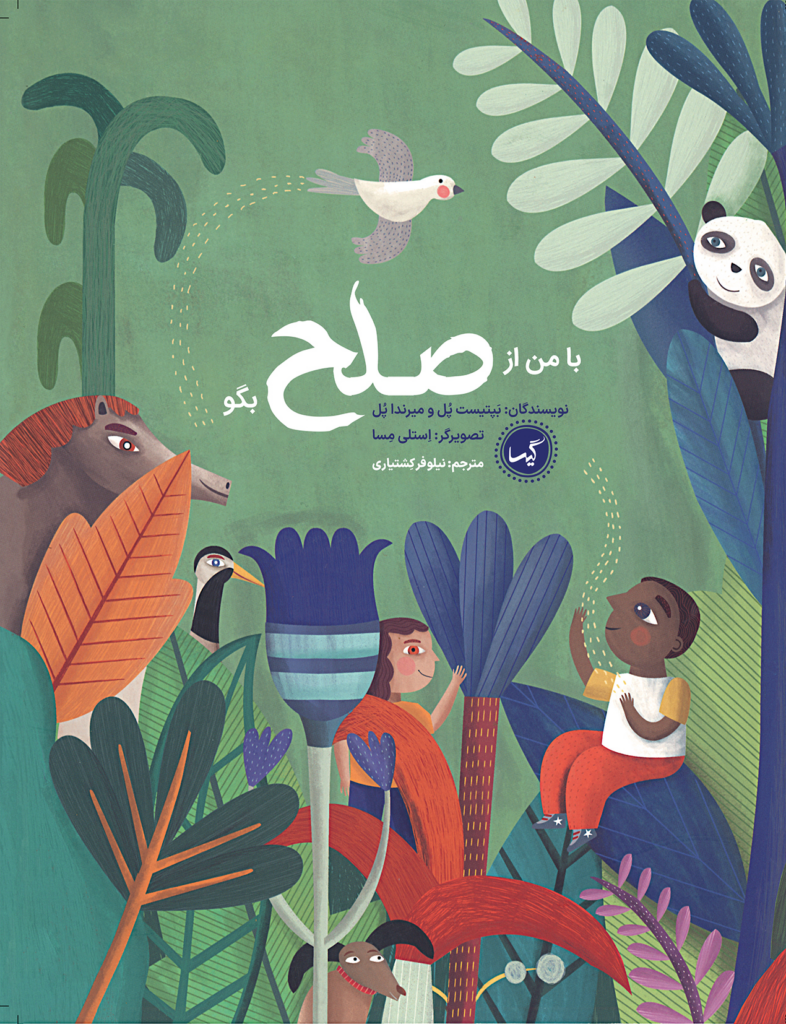
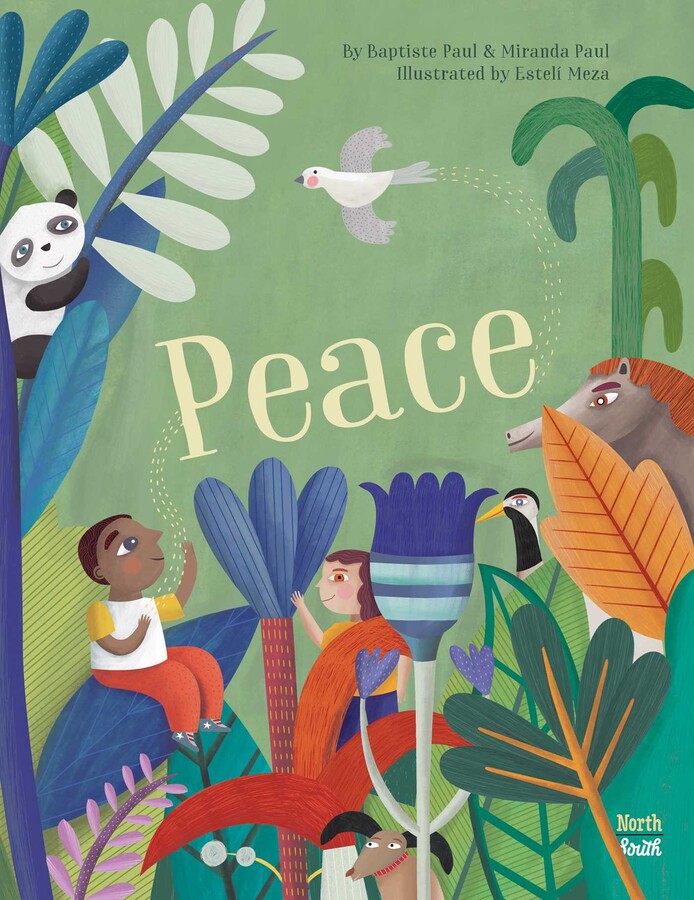
What does peace really mean? Is peace simply the absence of war? If building peace is the job of politicians, why do we even need to introduce children to the concept? Does understanding peace truly make a difference in a child’s life?
With simple, heartwarming language, the authors of this book help us find the answers to these questions hidden within beautiful illustrations, reminding us all that ‘peace must be learned in childhood!
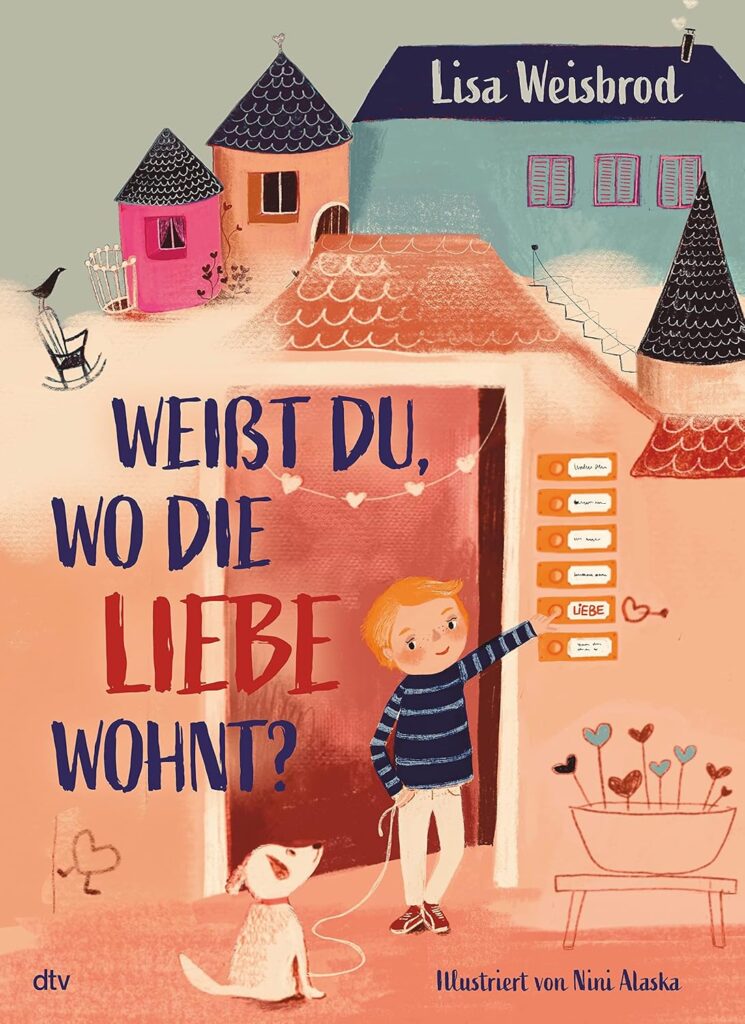
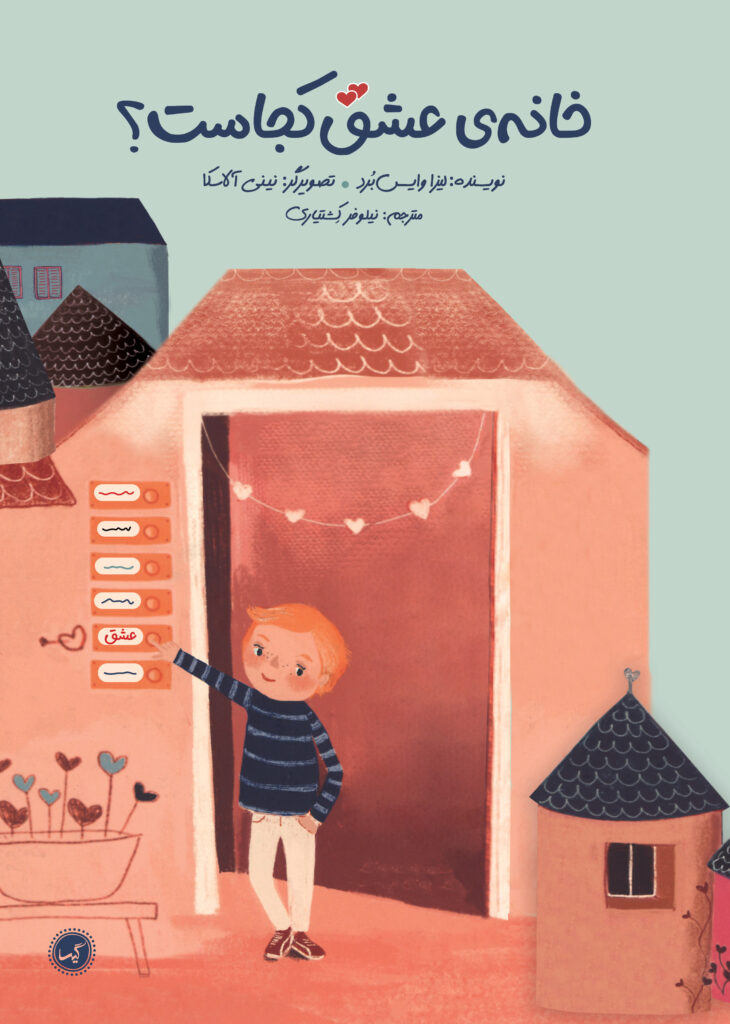
A little boy wants to know what love looks like. But how can he find it? After all, love doesn’t have an address or a phone number. That’s when his grandfather has a wonderful idea. He takes the little boy on a journey through moments where love can be seen, tasted, and truly felt.
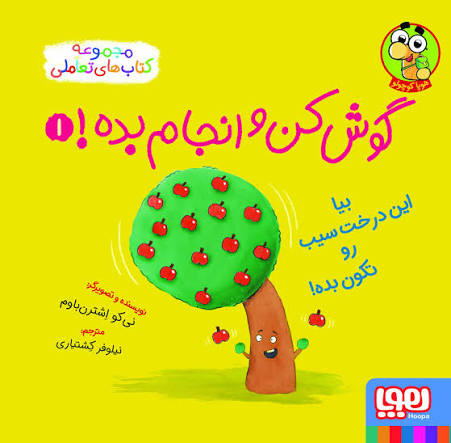
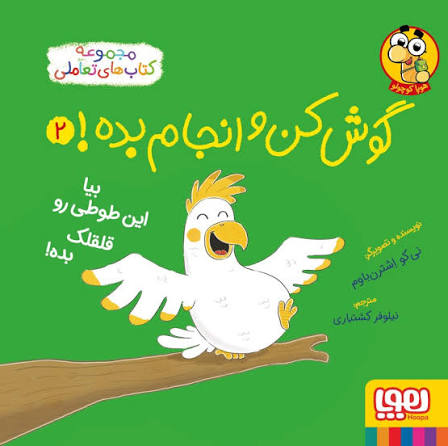
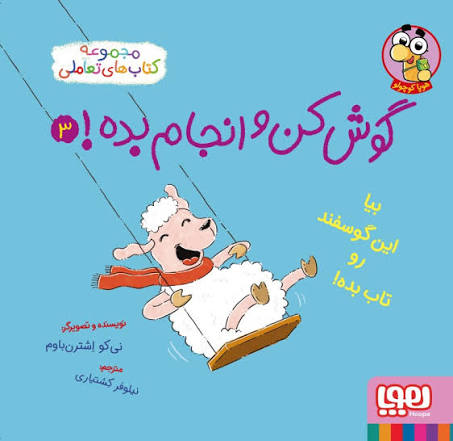
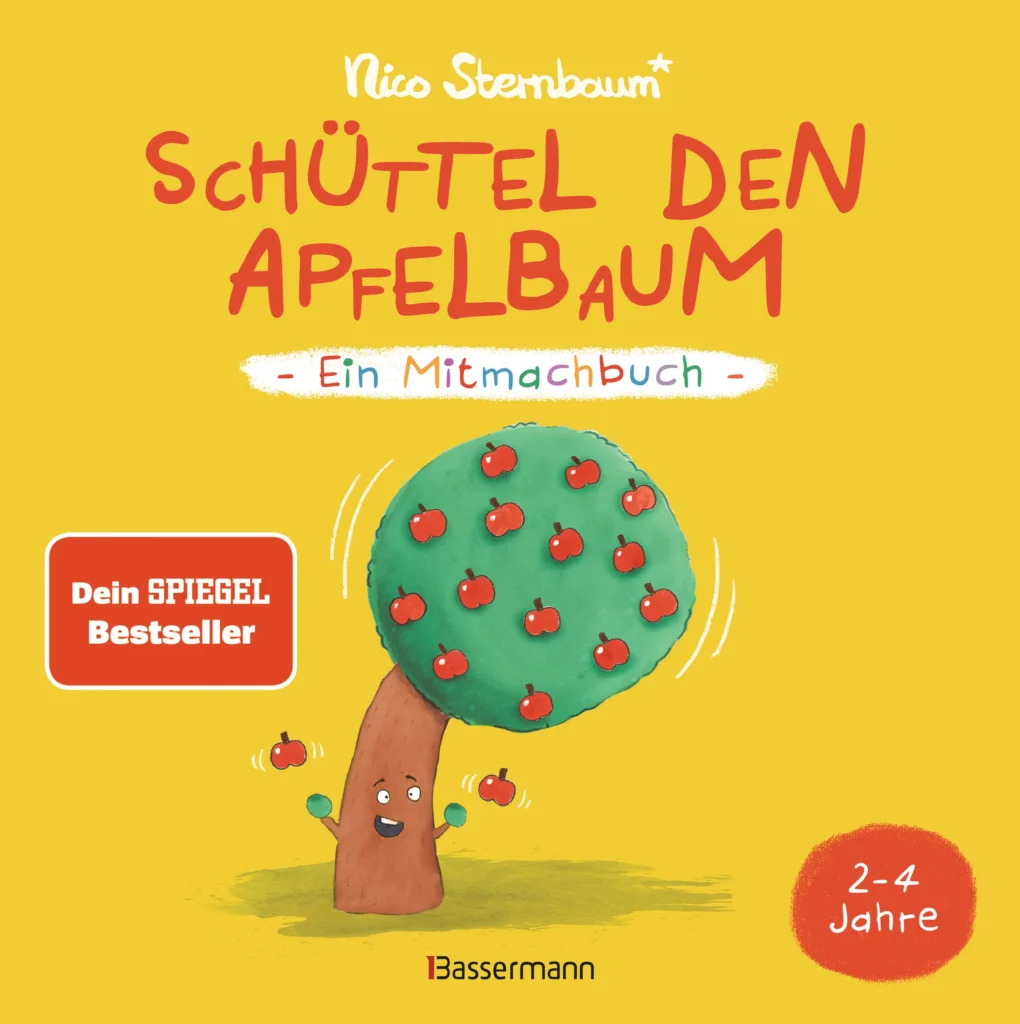
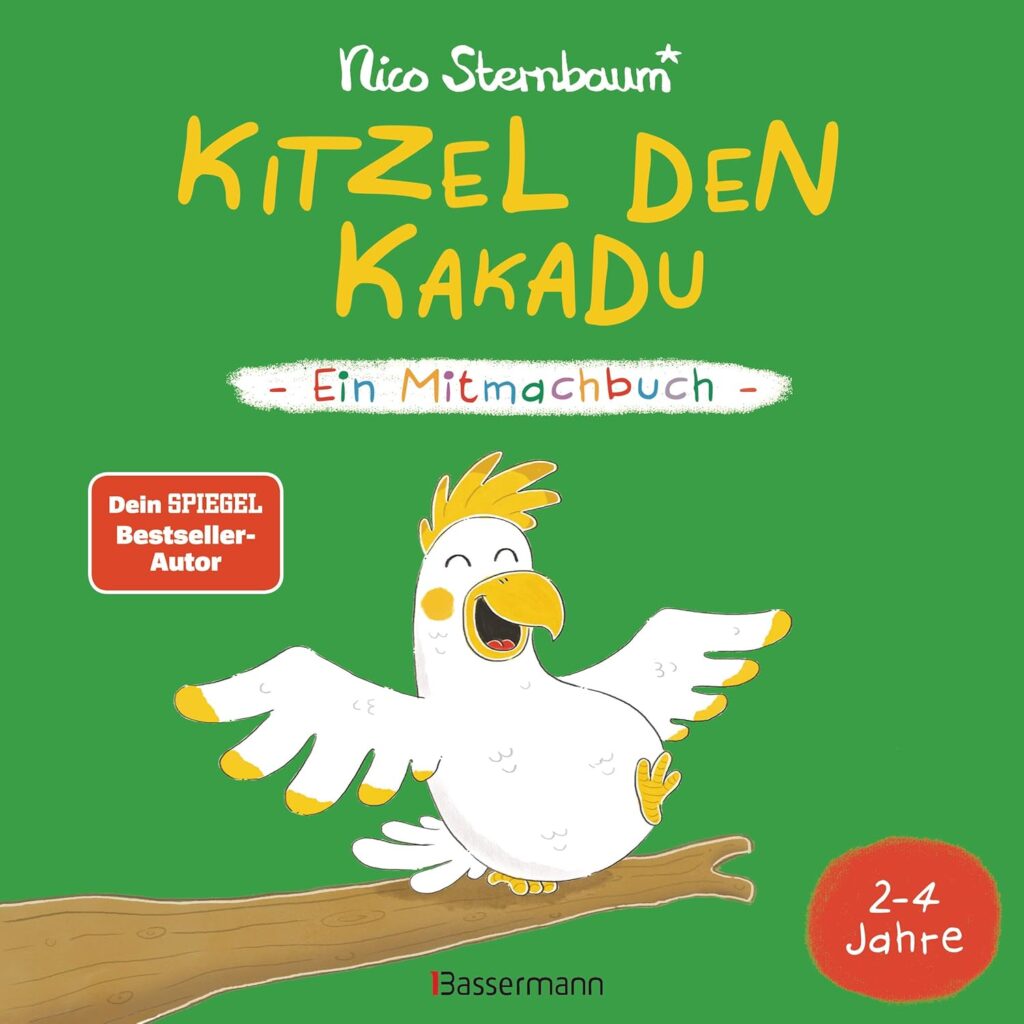
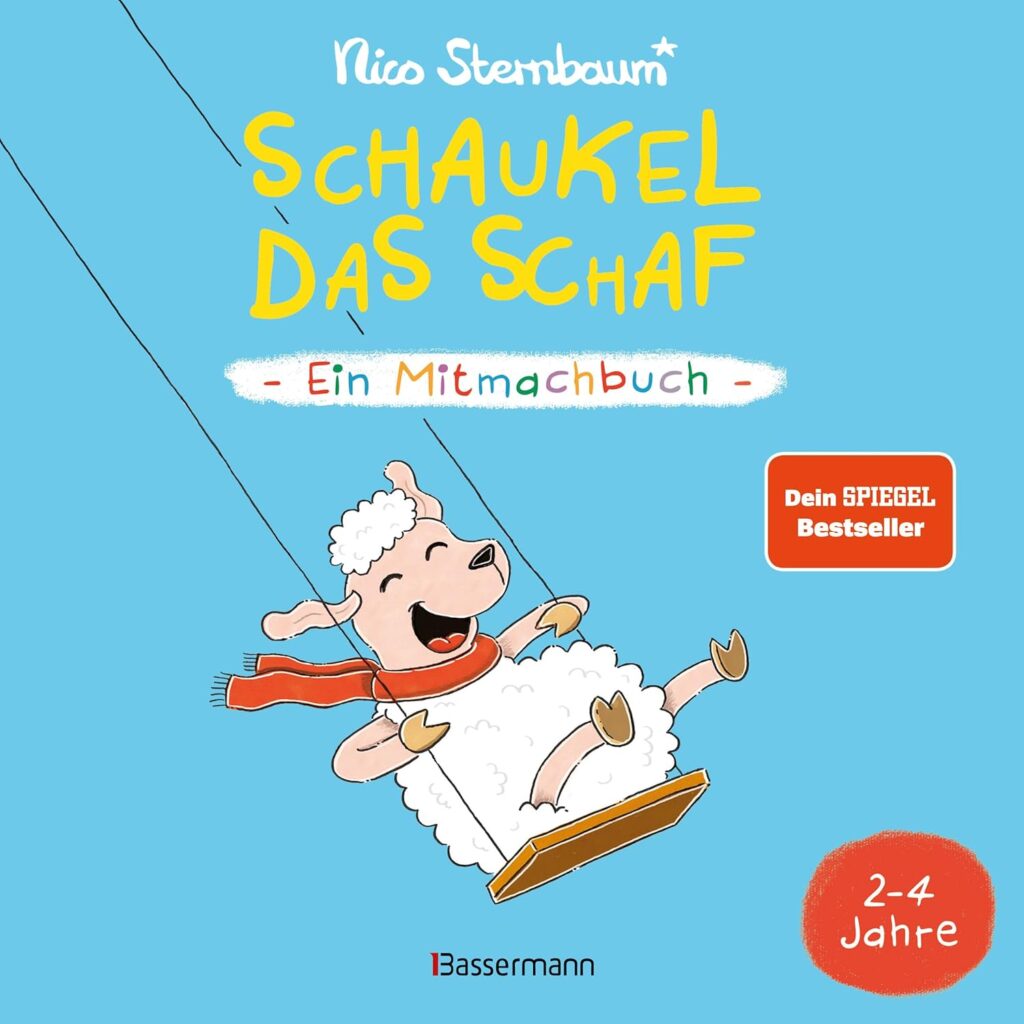
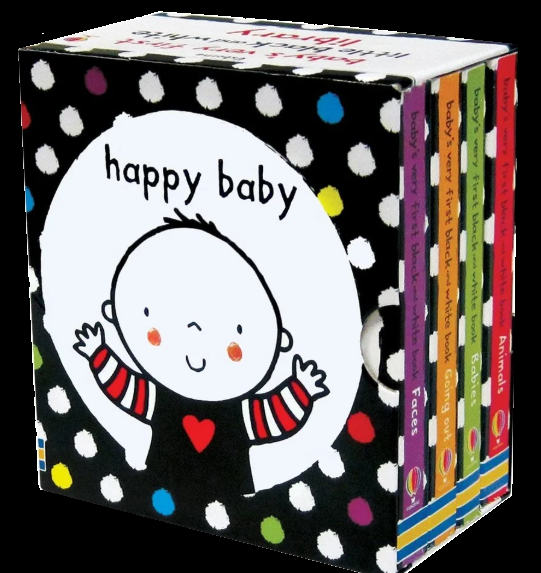
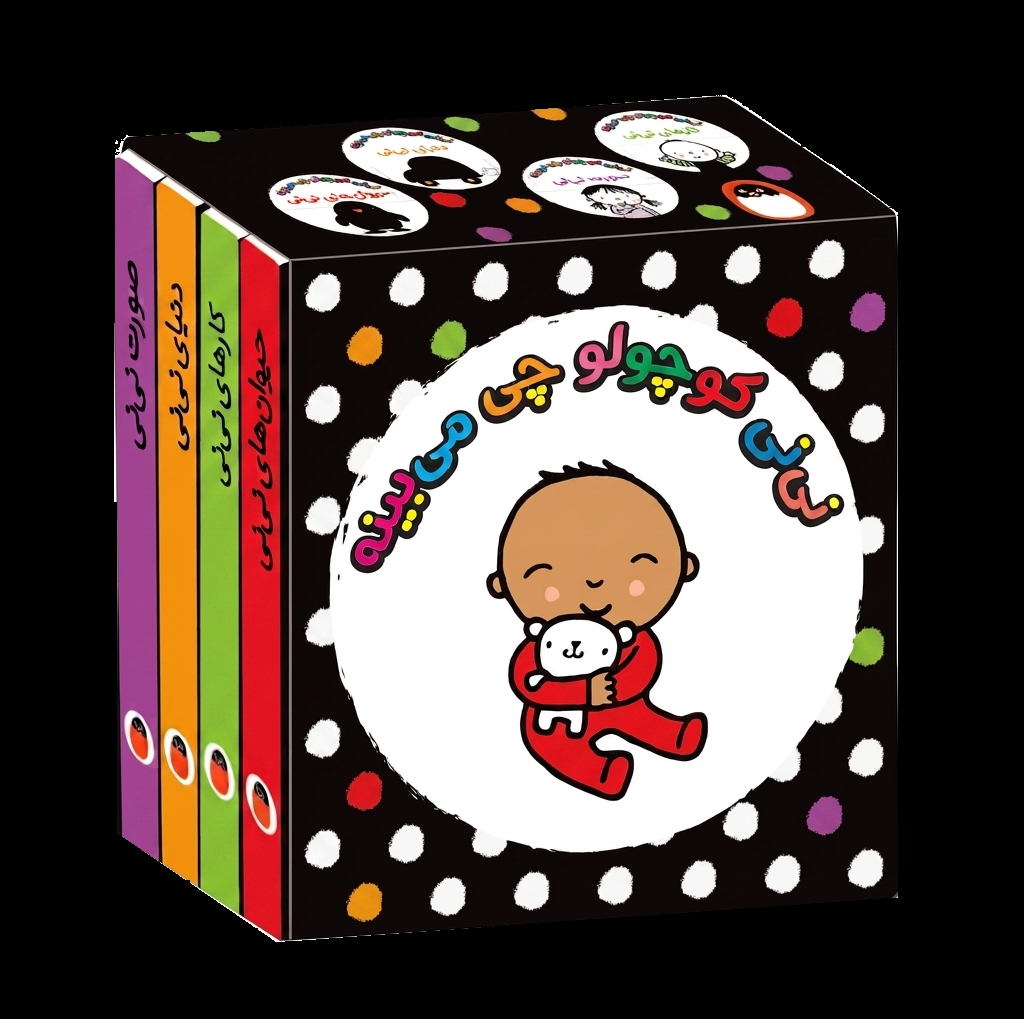
The series above serves as a unique language-learning tool for two to four-year-olds. They are interactive books, which give children an active role. The Persian translation of which is the very first series of its kind published for Persian-speaking children. Here, you’ll find a series of short videos where I break down exactly how these books work and explain their unique functions.
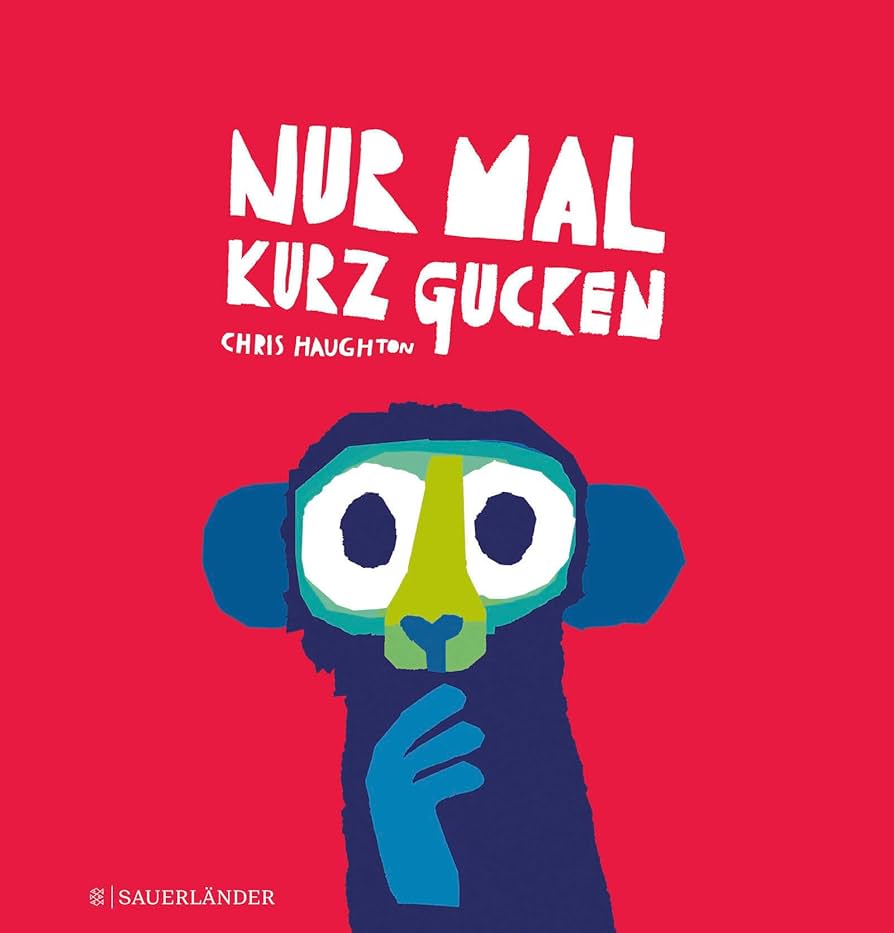
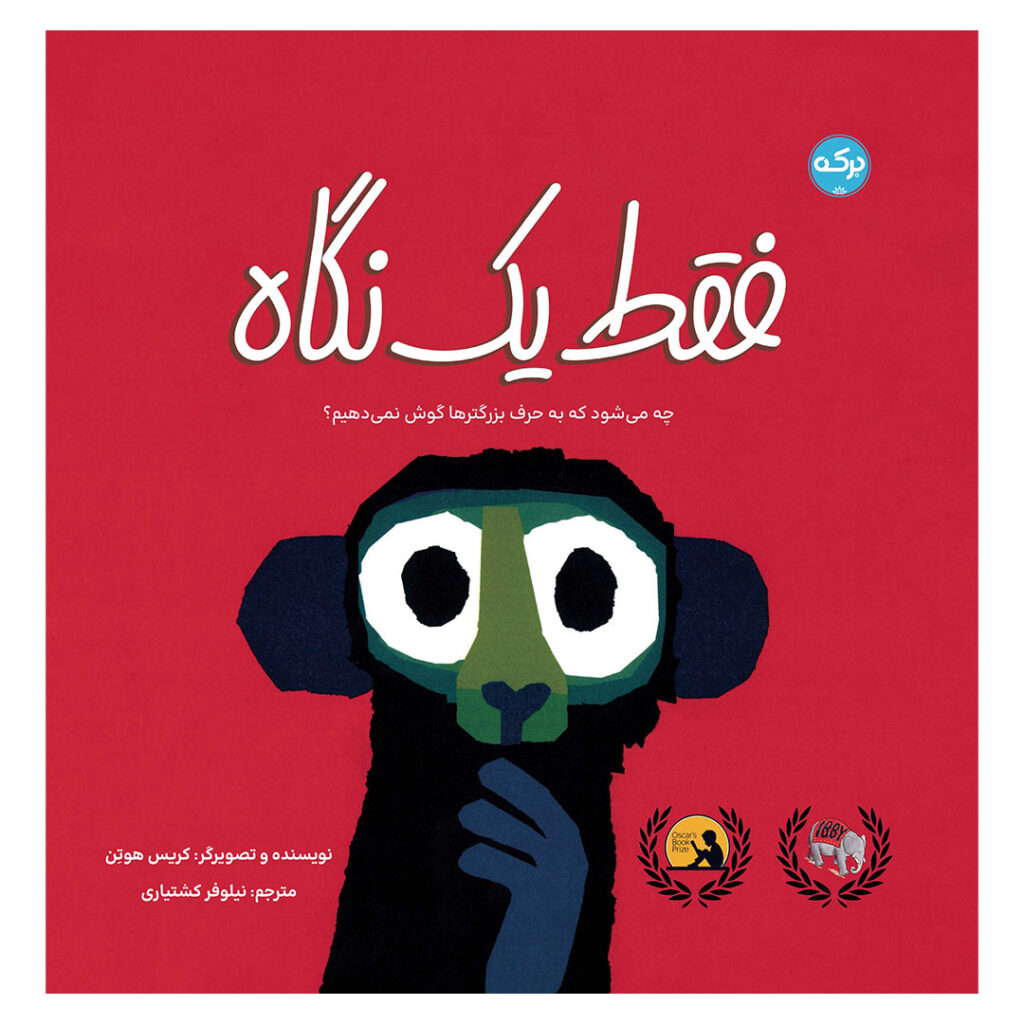
In the above book, author and illustrator Chris Haughton introduces us to a group of baby monkeys who absolutely love mangoes. Drawn by temptation, they not only ignore their mother’s warnings but also end up putting themselves in harm’s way. The concept of ‘temptation’ captures the most tangible internal conflicts a young child faces in real life—akin to the universal struggle between sneaking a forbidden chocolate or watching too much television. In this book, the author taps right into this highly relatable, sensitive sweet spot.
By presenting the tempting scenario of the baby monkeys, the narrative offers a secure and neutral environment where children can examine the conflict from an outsider’s perspective, without fear of judgment or consequences. As we read the book to them, the kids get to observe the monkeys getting tempted and facing danger without being in the hot seat themselves. For parents and educators, this creates the perfect gateway for dialogue. Introducing guiding questions throughout the story encourages children to pause, analyze, and internalize the lesson, resulting in a profoundly meaningful and transformative experience.
Do you tend to make life difficult, or do you approach it with ease? When faced with minor challenges, do you see them as insurmountable walls or as problems with practical solutions? How well can you enjoy life amidst its daily obstacles—and what level of happiness do you envision for your child’s future? No matter your answers, the above insightful book will give you pause and offer a profound new perspective on life.
In the above book, the author cleverly introduces children to the concept of ‘responsible citizenship,’ demonstrating how our own irresponsibility can create problems that affect the entire community. By using an ‘indirect teaching’ approach and asking thoughtful questions, the author beautifully engages young minds. This creates a wonderful space for children to absorb these vital concepts naturally through a sense of discovery and play.
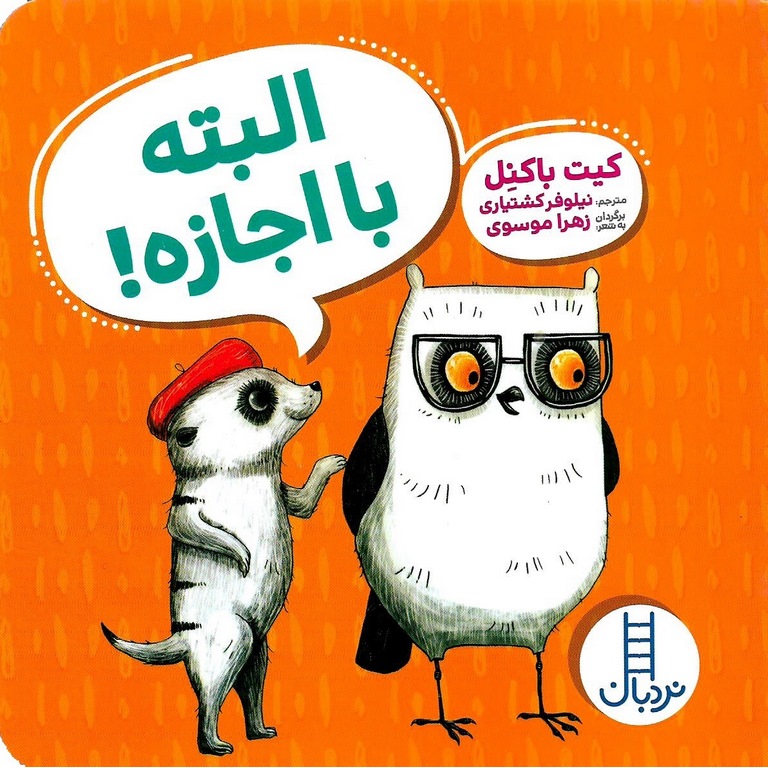
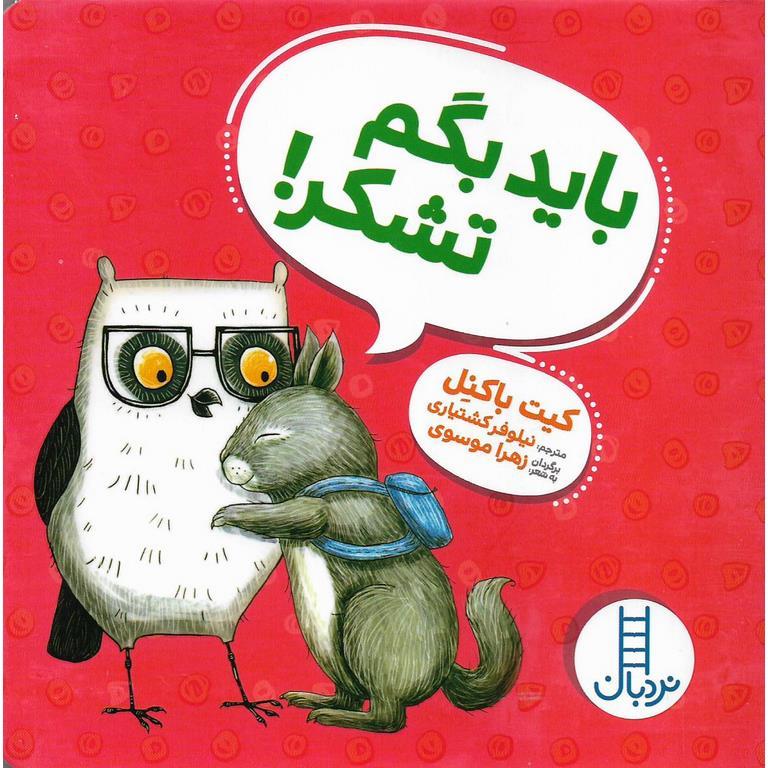
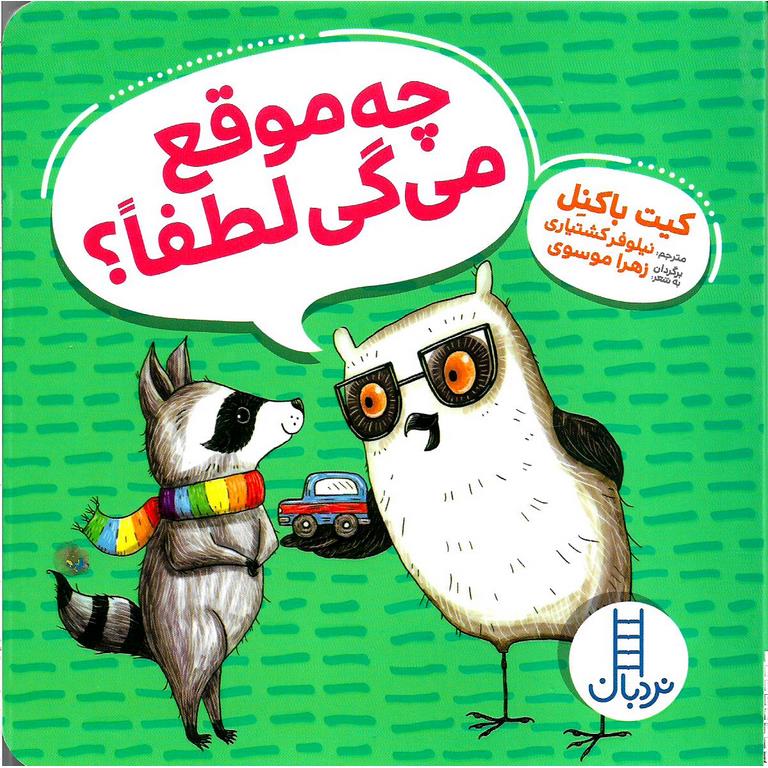
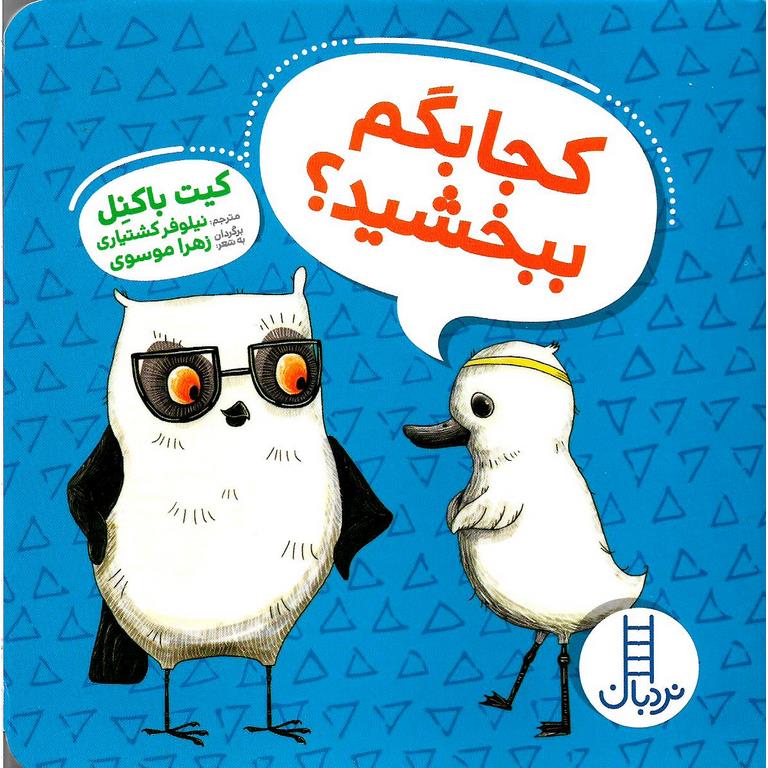
Behavioral skills are a vital branch of social skills/competence, and mastering them paves a smooth path toward lifelong success. These skills are best learned during early childhood. The above delightful four-volume set focuses specifically on four essential behaviors: asking for permission, saying thank you, apologizing, and making polite requests, teaching children how to easily navigate daily life with courtesy. Learning these skills helps children become more social, boosts their confidence, fosters empathy and a sense of cooperation, and helps them make friends more easily. Beyond the valuable lessons, the beautifully engaging illustrations will have children eagerly asking to read these books over and over again.
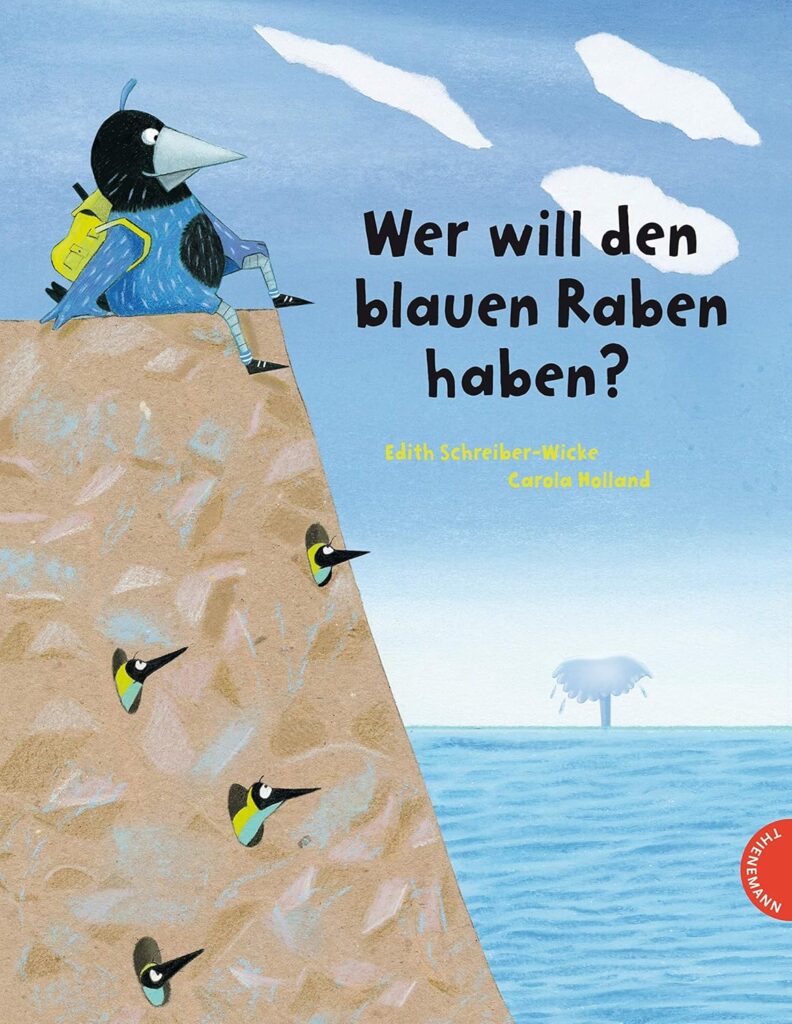
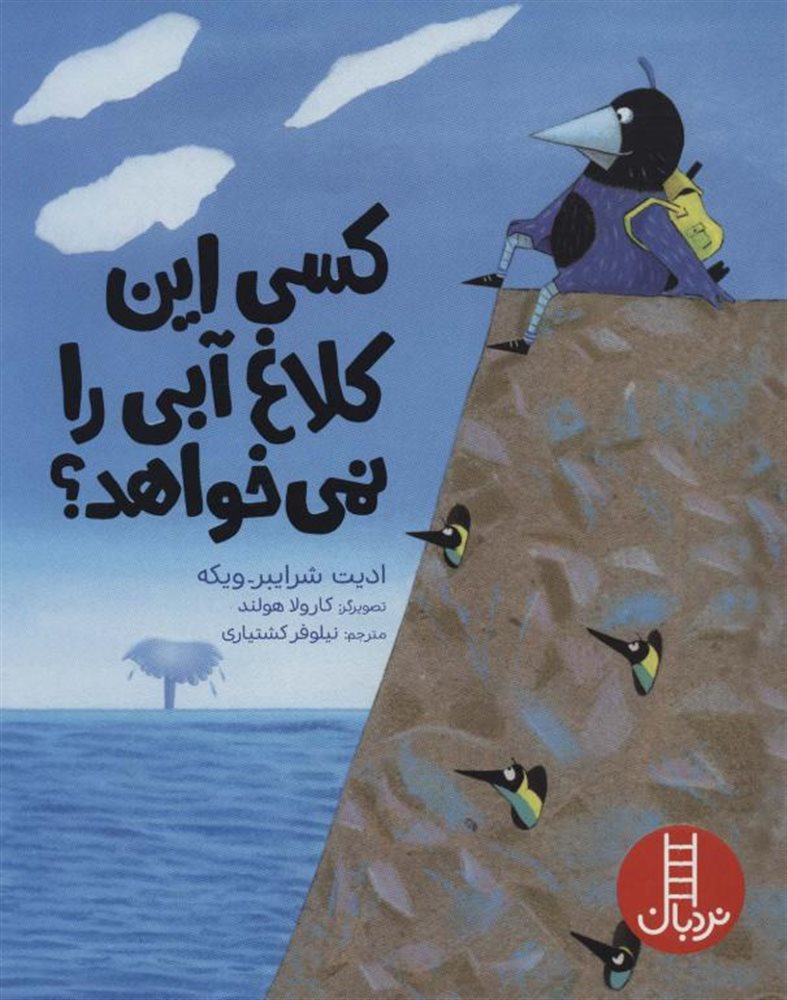
This book gently translates the complex concept of forced migration into a tender, captivating story for children through the journey of a little blue crow. When a person’s life is threatened by war, natural disasters, or other devastating circumstances, forcing them to flee, they are known as a ‘displaced person.’ Whether moving from a village to a city or from one country to another, forced migration is a reality experienced by millions around the globe today—a journey filled with unexpected challenges. When his homeland is suddenly consumed by fire, he is forced to flee, embarking on a solitary yet courageous journey fueled by a heart full of hope. He sets off in search of a new home—a place where he can find safety, escape the isolation of being a stranger, and be accepted exactly as he is. It is a timeless story on a deeply familiar theme; a tale written for everyone striving to make our world a better place.
‘Does Anyone Want This Blue Crow?’ tells the story of a little crow who bravely sets off on a solitary journey in search of a new home, carrying nothing but a heart full of hope. He seeks a place where he can find safety and be accepted exactly as he is. This book gently introduces children to the emotions of rejection, displacement, helplessness, and loneliness. It beautifully demonstrates how understanding and embracing diversity—while relying on one’s own strengths and knowledge—can turn the challenges of relocation into opportunities. This is a timeless story on a deeply relevant theme; a tale for anyone who wishes to make the world a better place.